

For many couples, deciding to explore IVF treatment is a significant step filled with hope, questions, and uncertainty. While assisted reproductive technology has helped millions of families worldwide, understanding the process before starting treatment can make the experience far less overwhelming. Knowing what happens during each stage also allows patients to make informed decisions and participate confidently in their fertility journey.
In Pune, access to advanced fertility care has improved considerably over the years. Couples today can receive comprehensive evaluations, personalized treatment plans, and modern laboratory support without travelling to another city. However, success begins long before the embryo transfer. It starts with identifying the underlying cause of infertility and choosing an evidence-based treatment plan.
When Is IVF Recommended?
IVF, or In Vitro Fertilization, is generally recommended when other fertility treatments are unlikely to achieve pregnancy or have already been unsuccessful. A fertility specialist may advise IVF in situations such as:
- Blocked or damaged fallopian tubes
- Severe male factor infertility
- Endometriosis affecting fertility
- Ovulation disorders that do not respond to medication
- Age-related decline in egg quality
- Unexplained infertility lasting several years
- Previous unsuccessful IUI cycles
Every couple has unique medical circumstances, which is why fertility investigations are always the first step before recommending IVF.
The Initial Fertility Assessment
During the first consultation, the fertility specialist reviews both partners' medical histories, lifestyle factors, previous pregnancies, menstrual patterns, and any prior treatments.
Common investigations may include:
- Hormonal blood tests
- Ultrasound examination
- Ovarian reserve testing
- Semen analysis
- Tubal assessment where appropriate
- Additional diagnostic procedures if required
These evaluations help determine whether IVF is the most suitable treatment or whether another fertility option may be more appropriate.
Understanding the IVF Process
Although every patient's treatment plan differs slightly, the IVF process usually follows several key stages.
Ovarian Stimulation
The woman receives carefully monitored hormone injections that encourage multiple eggs to mature during a single menstrual cycle. Ultrasound scans and blood tests help the fertility specialist monitor progress and adjust medications when necessary.
Egg Retrieval
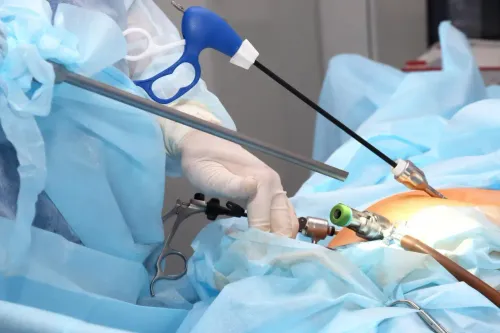
Once the eggs reach the desired maturity, they are collected using a minimally invasive procedure performed under light anaesthesia. The procedure generally takes less than thirty minutes, and most patients return home the same day.
Fertilization
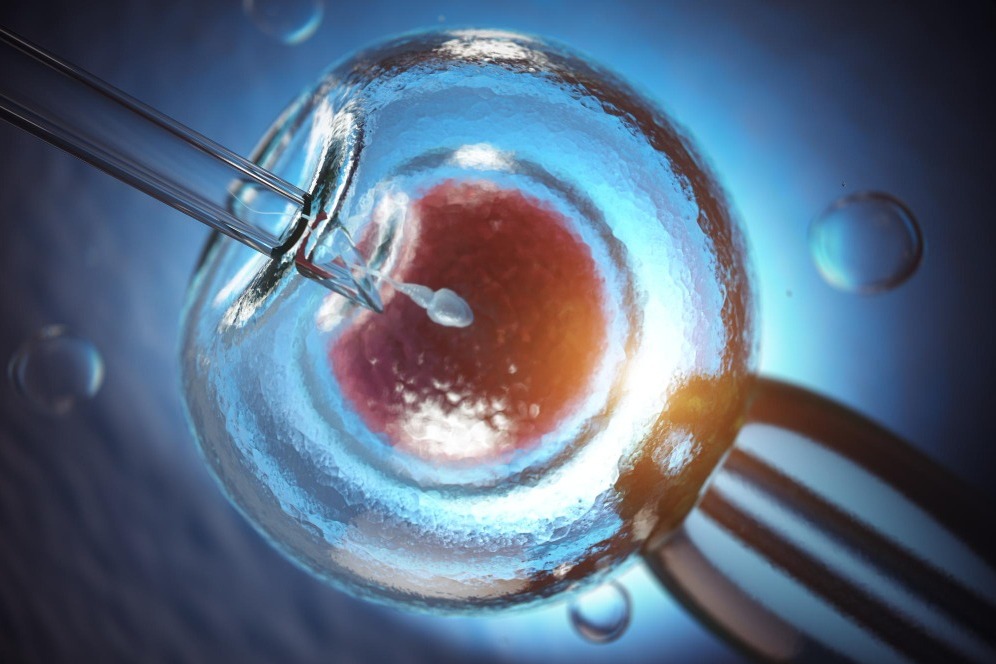
The collected eggs are combined with healthy sperm inside a specialized embryology laboratory. Fertilization may occur naturally or with ICSI if recommended by the fertility specialist.
Embryo Development
The embryos are carefully monitored for several days. Only healthy developing embryos are selected for transfer based on quality and developmental progress.
Embryo Transfer
The selected embryo is transferred into the uterus using a fine catheter. This is a relatively simple procedure that usually does not require anaesthesia.
Pregnancy Test
Approximately two weeks after embryo transfer, a blood test confirms whether implantation has occurred successfully.
Factors That Influence IVF Success
Many people assume IVF guarantees pregnancy, but several medical and biological factors influence the outcome.
Some important factors include:
- Woman's age
- Egg quality
- Sperm quality
- Embryo quality
- Uterine health
- Underlying reproductive conditions
- Lifestyle habits
- Experience of the fertility team
Modern IVF techniques continue to improve pregnancy rates, but realistic expectations remain essential throughout treatment.
Preparing for IVF
Good preparation can positively influence both physical and emotional wellbeing during treatment.
Patients are often advised to:
- Maintain a healthy body weight
- Eat a balanced diet
- Avoid smoking and excessive alcohol
- Reduce stress where possible
- Take prescribed supplements
- Attend every monitoring appointment
- Follow medication schedules carefully
Small lifestyle improvements can contribute to better reproductive health before treatment begins.
Emotional Support During Fertility Treatment
Infertility treatment is not only a medical journey but also an emotional one. Feelings of anxiety, disappointment, and uncertainty are common. Couples often benefit from open communication, family support, counselling, or fertility support groups throughout the process.
Many fertility centres now recognize emotional wellbeing as an important part of successful reproductive care.
Choosing an Experienced Fertility Team
Selecting the right fertility clinic involves more than comparing success rates. Patients should also consider:
- Individualized treatment planning
- Availability of advanced reproductive technology
- Experienced fertility specialists
- Transparent communication
- Comprehensive diagnostic facilities
- Patient education and counselling
For couples seeking IVF treatment in Pune, centres such as Sakhi Clinic Pune provide fertility evaluation alongside advanced reproductive care tailored to each patient's medical condition. Additional information about available fertility services and treatment approaches can also be found through the clinic's website, drpankajkulkarni.com, helping patients better understand their options before beginning treatment.