


Couples beginning fertility treatment often hear about IVF and ICSI together, making it easy to assume they are identical procedures. Although both treatments are forms of assisted reproduction, ICSI is designed to solve very specific fertility challenges, particularly those involving male infertility.
Understanding when an ICSI specialist may recommend this technique helps couples make informed decisions while avoiding unnecessary confusion during treatment planning.
What Is ICSI?
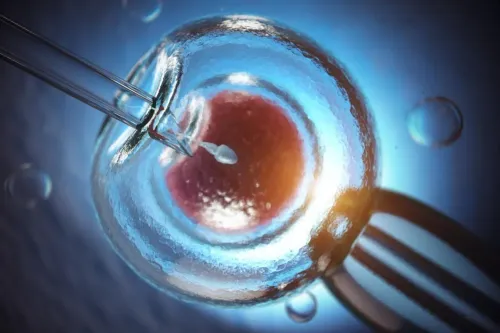
Intracytoplasmic Sperm Injection (ICSI) is an advanced fertility procedure performed as part of an IVF cycle.
Instead of allowing sperm to fertilize the egg naturally inside the laboratory, an embryologist carefully injects a single healthy sperm directly into each mature egg using specialized microscopic equipment.
Once fertilization occurs successfully, the resulting embryos continue developing before one or more are transferred into the uterus.
Why Is ICSI Performed?
ICSI was originally developed to overcome severe male infertility but is now recommended in several situations where conventional fertilization may have lower success.
An ICSI specialist may advise the procedure when there is:
- Very low sperm count
- Poor sperm motility
- Abnormal sperm shape
- Previous failed IVF fertilization
- Surgically retrieved sperm
- Frozen sperm samples with limited numbers
- Certain unexplained infertility cases
The decision is always based on detailed fertility investigations rather than assumptions alone.
How Does ICSI Differ From Conventional IVF?
Both IVF and ICSI follow nearly identical treatment steps until fertilization.
The difference lies only in how fertilization occurs.
Conventional IVF
Thousands of sperm are placed around each mature egg, allowing fertilization to occur naturally inside the laboratory.
ICSI
A single carefully selected sperm is injected directly into the egg by an embryologist.
Everything after fertilization—including embryo culture, embryo transfer, and pregnancy testing—remains essentially the same.
Does ICSI Improve Pregnancy Rates for Everyone?
One of the most common misconceptions is that ICSI should automatically replace IVF for every patient.
In reality, ICSI is most beneficial when male infertility significantly affects natural fertilization. Couples without male factor infertility may not necessarily experience better pregnancy outcomes simply because ICSI is used.
An experienced fertility specialist determines whether IVF, ICSI, or another treatment offers the greatest chance of success based on individual medical findings.
The Importance of Male Fertility Evaluation
Infertility affects both men and women almost equally, yet many couples initially focus only on female reproductive health.
Male fertility assessment commonly includes:
- Semen analysis
- Sperm concentration
- Motility assessment
- Morphology evaluation
- Infection screening when necessary
- Hormonal investigations
- Genetic testing in selected cases
These investigations help determine whether ICSI offers a meaningful advantage.
Is ICSI Safe?
ICSI has been used successfully around the world for several decades and has contributed to the birth of millions of healthy children.
Like every fertility procedure, it requires careful patient selection, experienced embryologists, and high-quality laboratory standards. Couples should discuss possible benefits and limitations with their fertility specialist before treatment begins.
Preparing for ICSI Treatment
Although laboratory techniques play a major role, overall reproductive health still matters.
Patients are encouraged to:
- Maintain healthy nutrition
- Manage medical conditions
- Avoid tobacco products
- Limit alcohol consumption
- Follow prescribed medications
- Keep follow-up appointments
- Maintain realistic expectations throughout treatment
Healthy lifestyle habits can support fertility alongside medical treatment.
Finding the Right ICSI Specialist
Choosing an experienced fertility team involves evaluating more than advanced technology. Couples should look for specialists who provide comprehensive fertility assessments, individualized treatment planning, transparent communication, and evidence-based recommendations.
For couples considering ICSI treatment in Pune, Sakhi Clinic Pune offers fertility evaluations that help determine whether ICSI is the most appropriate option based on each couple's reproductive health. Educational information available through drpankajkulkarni.com also helps patients understand treatment pathways before beginning assisted reproduction.