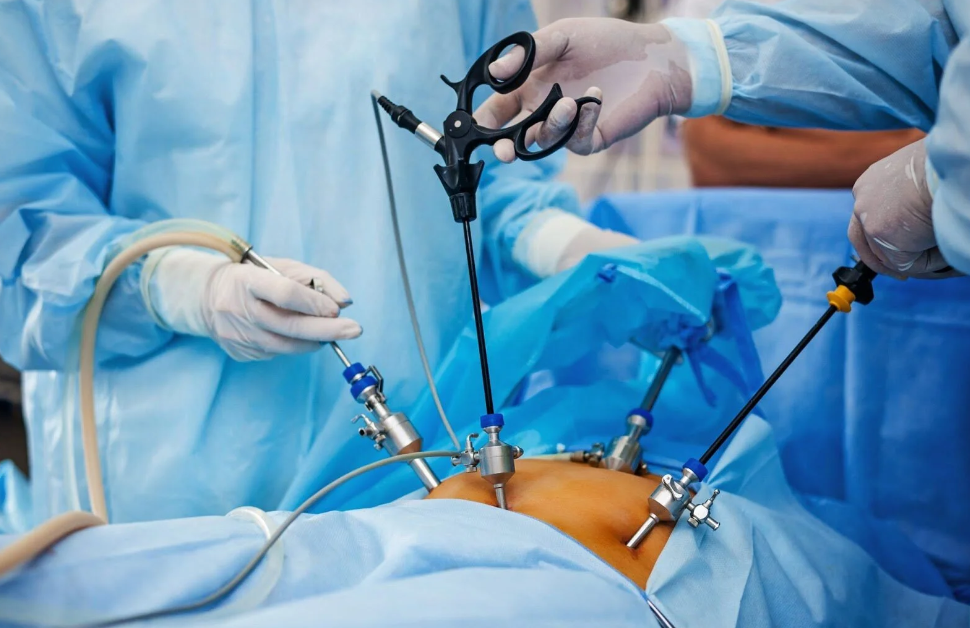
Advanced Laparoscopic Surgery Pune is increasingly discussed by patients who have been diagnosed with conditions such as endometriosis, ovarian cysts, fibroids or other gynaecological problems that may require surgical assessment. Laparoscopy is a minimally invasive surgical approach performed through small abdominal incisions using a camera and specialised instruments.
The major difference between laparoscopic and traditional open surgery is the route used to reach the surgical area. Because laparoscopy uses smaller incisions, selected patients may experience advantages such as smaller scars, less postoperative discomfort and a shorter recovery period compared with open surgery. The actual experience varies according to the procedure and the patient's health.
The decision to operate should not, however, begin with the surgical technique. It begins with the condition itself.
A gynaecologist may consider surgery when symptoms, examination findings and imaging indicate a problem that could benefit from surgical management. Examples can include certain fibroids, ovarian cysts, endometriosis, ectopic pregnancy and other pelvic conditions.
Before surgery, patients should understand:
- The diagnosis being treated
- Why surgery is being considered
- Whether non-surgical management is reasonable
- Whether laparoscopy is suitable for the particular condition
- Possible risks and complications
- Expected hospital stay and recovery
- How the procedure could affect future fertility
The last point is particularly important for reproductive-age patients. Surgery involving the ovaries, uterus or pelvic structures sometimes needs to be planned with future pregnancy goals in mind.
For example, someone with an ovarian cyst who wants to conceive may have different priorities from someone who has completed her family. Similarly, endometriosis surgery requires careful consideration of symptoms, fertility plans, ovarian reserve and previous treatment.
Patients in Pune, Maharashtra, should also recognise that 'advanced' does not mean that laparoscopy is automatically preferable for every operation. Large or complex pathology, previous surgeries, medical conditions and intraoperative findings can influence the safest surgical approach. Occasionally, conversion to open surgery may be necessary for clinical reasons.
At Sakhi Clinic Pune, gynaecological assessment can help patients understand whether minimally invasive surgery is relevant to their diagnosis and reproductive goals. Appropriate imaging and clinical evaluation are important before deciding on a surgical plan.
Advanced laparoscopy is a valuable part of modern gynaecological surgery, but good treatment planning is based on selecting the right procedure for the right patient—not simply choosing the smallest incision.
Keywords