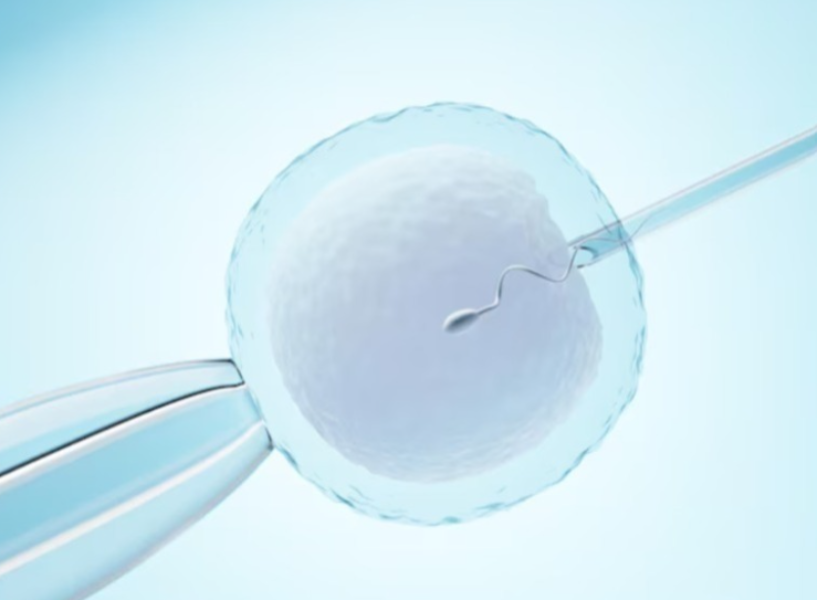
Couples searching for an ICSI Specialist Pune often encounter the term ICSI while researching IVF, particularly when male-factor infertility is involved. ICSI stands for intracytoplasmic sperm injection. It is a laboratory technique in which an embryologist introduces a selected sperm directly into a mature egg to facilitate fertilisation.
The key difference between conventional IVF and ICSI lies in how fertilisation occurs. During conventional IVF, eggs are placed with prepared sperm in the laboratory and fertilisation is allowed to occur. With ICSI, an individual sperm is injected directly into an egg.
ICSI may be considered in situations such as significantly reduced sperm count, poor sperm movement, certain sperm morphology concerns or previous problems with fertilisation. It may also be considered when surgically retrieved sperm is being used or in selected fertility treatment situations where the treating team believes it is clinically appropriate.
However, ICSI is not automatically necessary for every IVF cycle.
Before recommending it, fertility specialists generally consider both partners' evaluation results. Male fertility assessment may involve semen analysis and, when required, further investigation based on the findings and medical history.
For patients in Pune, Maharashtra, asking a few practical questions during consultation can make the treatment plan easier to understand:
- Why is ICSI being recommended in our particular case?
- What did the semen analysis indicate?
- Is conventional IVF also an option?
- Are further male fertility investigations necessary?
- How will embryo development be monitored?
- What factors may influence our overall treatment outcome?
These questions are important because assisted reproduction should be individualised rather than based solely on the availability of a particular laboratory technique.
It is also useful to distinguish fertilisation from pregnancy. ICSI is designed to assist the fertilisation stage; it does not remove all other factors that affect embryo development, implantation or pregnancy. Female age, ovarian reserve, egg quality, uterine factors and the underlying fertility diagnosis remain relevant.
At Sakhi Clinic Pune, fertility assessment can include reviewing both female and male reproductive factors before deciding whether treatments such as IVF or ICSI should be considered. This broader approach helps couples understand the reasoning behind a recommendation rather than viewing ICSI as a universal upgrade to IVF.
When looking for an ICSI specialist in Pune, couples can benefit from focusing on clear diagnosis, appropriate laboratory support and transparent treatment planning. The most suitable fertility technique is the one selected for a defined clinical reason after evaluation of the couple as a whole.
Keywords